
MENU

Fringe Benefits Tax 2026

The end of the 2026 Fringe Benefits Tax (FBT) year is just around the corner (1 April 2025 to 31 March 2026).

If you are getting assistance from a tax agent with your 2026 FBT return, the due date for lodgement and payment is 25 June 2026.

What is Fringe Benefits Tax?

Fringe Benefits Tax (FBT) is a tax payable by employers on certain non-cash benefits provided to employees or their associates. This also includes non-salary directors/trustees. The tax is paid by the employer and is separate from income tax.

Common examples of benefits that may give rise to FBT include:

  • Allowing an employee to use a company-owned or leased vehicle for private purposes
  • Paying or reimbursing expenses incurred by an employee
  • Providing entertainment, such as Christmas parties, meals, drinks, or recreational activities
  • Providing loans to employees or forgiving employee debts
  • Payments or benefits provided to compensate employees for living-away-from-home expenses

What To Do Next

To assist with preparation for the FBT year ending 31 March 2026, we recommend that you:

  • Review whether you have provided any non-cash benefits to employees that may be subject to FBT
  • Consider maintaining a 12-week vehicle logbook to substantiate business versus private use. This enables the use of the operating cost method, which can often result in a more favourable FBT outcome
  • Record the closing odometer reading as at 31 March 2026 for any vehicles used by employees
  • Ensure clear descriptions are entered in your online accounting software for transactions coded to ‘Entertainment expenses’ or ‘Staff amenities’. This allows your Harris Black team member to correctly distinguish between FBT-applicable and FBT-exempt expenses

For Harris Black clients, if FBT is relevant to your circumstances, you will receive an FBT checklist to help identify any benefits you may have provided that are subject to FBT.

If you do not receive a checklist but believe you may have provided applicable non-cash benefits, please contact your Harris Black team member so we can assist.

Should you have any questions or wish to discuss your specific situation, please do not hesitate to get in touch.

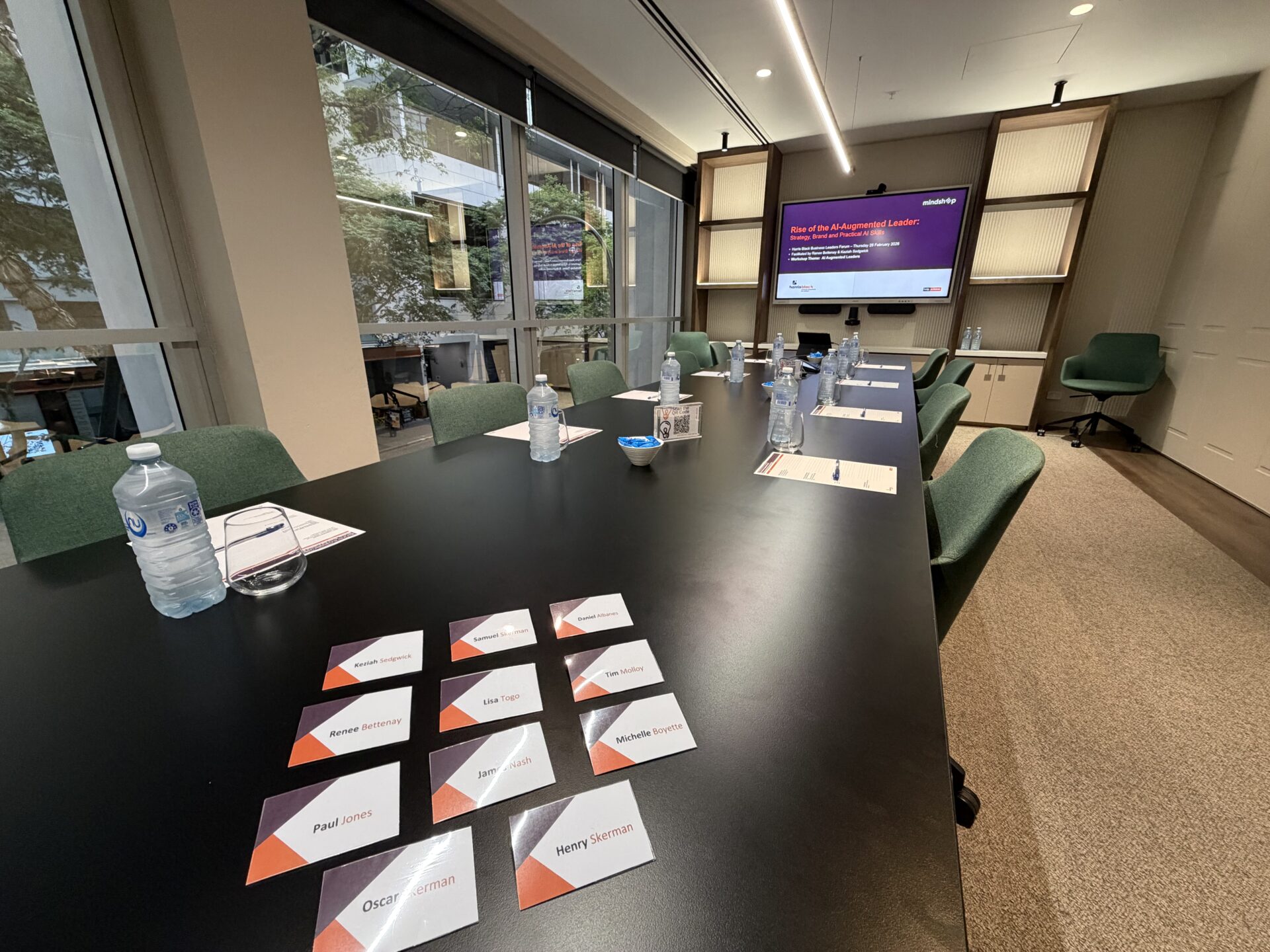
Recap: Harris Black Business Leaders Forum – February 2026

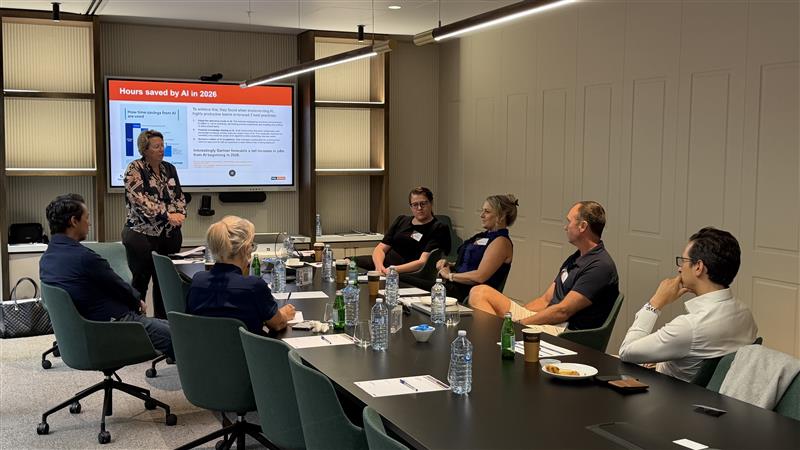
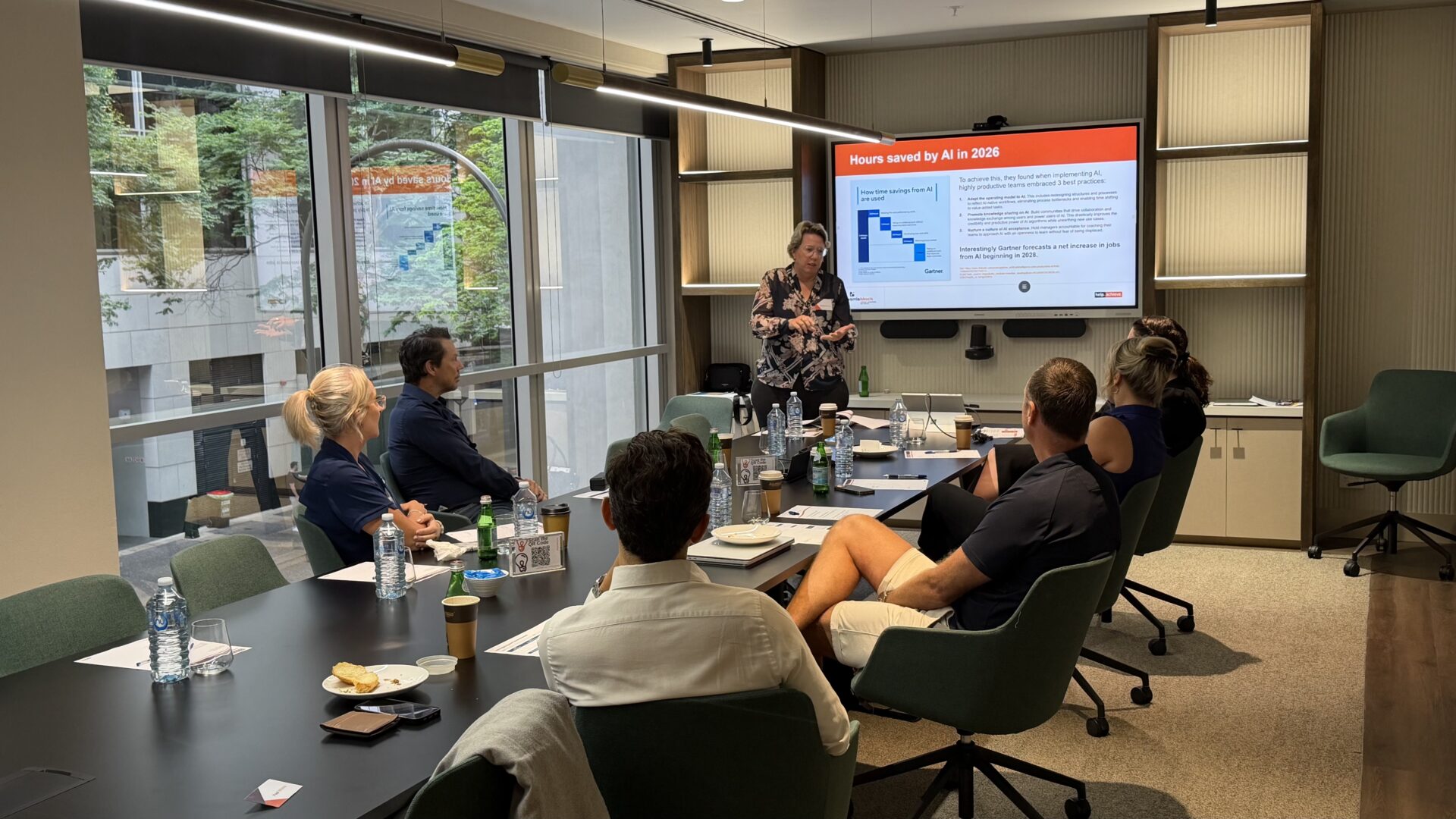
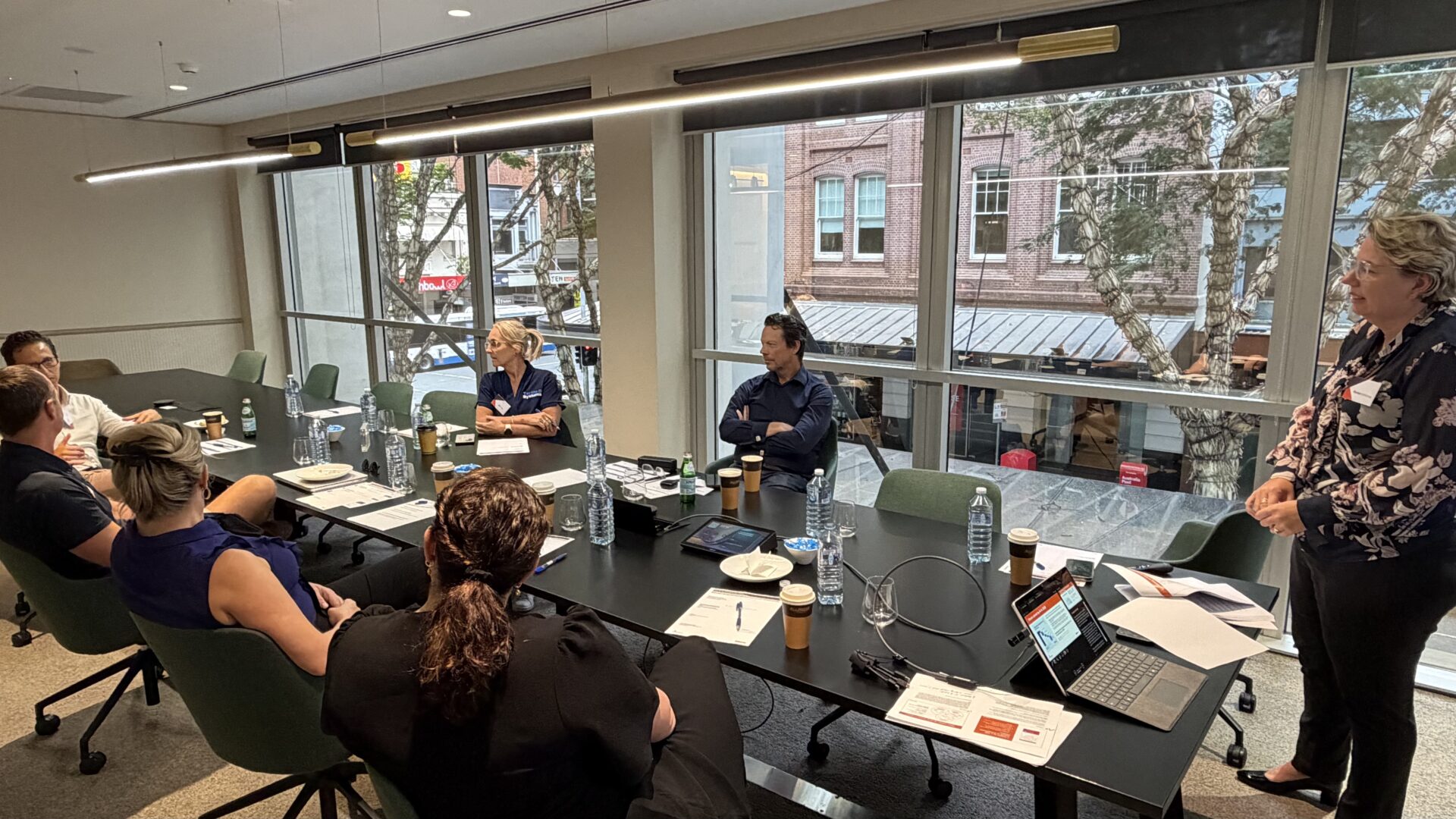
In this workshop for, we explored at Rise of the AI-Augmented Leader’.

A great group of leaders came together to explore how AI-driven augmentation is shaping leadership in 2026. We discussed emerging leadership trends, reflected on personal leadership brands, and looked at practical ways AI can support better decision-making, creativity and productivity. Through shared insights and simple planning tools, participants left with clearer priorities and next steps for the year ahead.

If you couldn’t join this session, it was a valuable opportunity to pause, learn from peers and think more intentionally about what 2026 could look like.

Want in next time?

If you are interested in joining our practical and high-value learning workshops, we would like to invite you to join us at the next Harris Black Business Leaders Forum on 21 May 2026. Click the button below to register your interest.

Scan and save the date!


ATO Crackdown: Is Your Holiday Home A “Leisure Facility”?

The Australian Taxation Office (ATO) has significantly restricted its view on tax deductions for taxpayers who own holiday homes or investment properties leased for short-term stays.

The Denial of Holding Cost Deductions

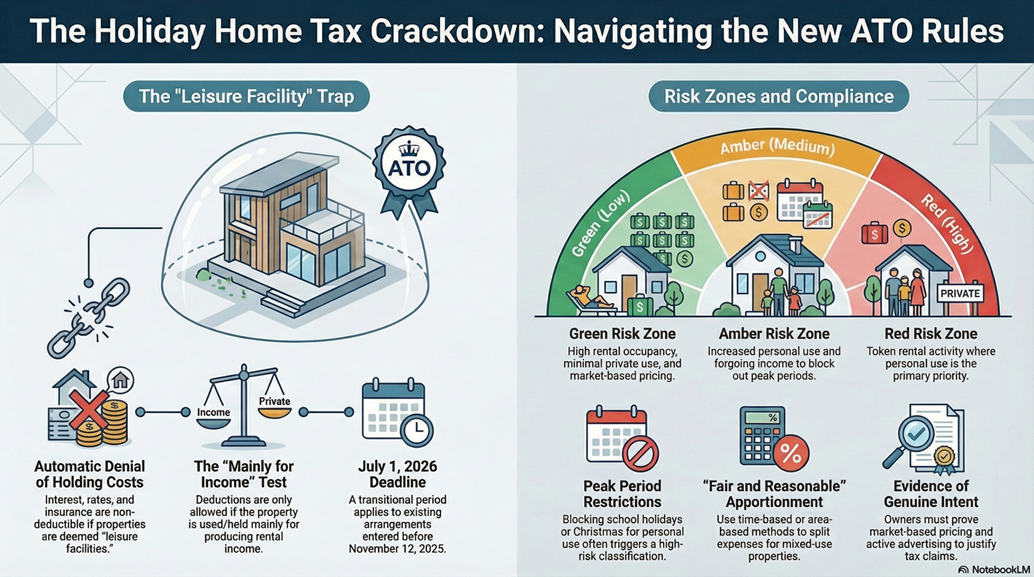
The most critical change is that if a property is classified as a leisure facility, owners will be denied deductions for property holding costs, such as mortgage interest, council rates, land tax, and insurance. To maintain these deductions, you must now prove the property is used “mainly” to produce assessable rental income.

The “Mainly” Test and Peak Periods

The ATO is moving away from simply counting the number of days a property is available for rent. Instead, they will take a nuanced approach that prioritises genuine availability during peak seasons. Blocking out peak weeks (such as Christmas, Easter, or school holidays) for personal use is a major “red flag” that may trigger the denial of all major deductions. If the property is only available during off-peak periods when there is little demand, the ATO may conclude it is held primarily for private recreation.

What Remains Deductible?

Even if some deductions are restricted, costs directly tied to earning rental income remain deductible to the extent the property was actually rented.

These include:

  • Advertising fees and platform commissions.
  • Cleaning costs and agent commissions related to a rental.
  • Direct maintenance costs incurred for the rental period.

The ATO Risk Framework

The ATO has introduced a risk-based compliance framework to help owners assess their situation:

  • Green (Low Risk): The property is mostly rented with minimal private use.
  • Amber (Medium Risk): Increased personal use or forgoing income to make the property available for family during peak times.
  • Red (High Risk): Primarily personal use with limited or token rental activity.

Record-Keeping is Essential

To claim any deductions safely, you must maintain records. This includes detailed logs of rental versus private use, evidence of market-based pricing, copies of advertisements, and booking confirmations. Any ad hoc or “unrealistic” apportionment methods for mixed-use expenses are likely to be disallowed.

Transitional Period

While these rules apply to expenses from 12 November 2025, the ATO has offered a grace period. They will not devote compliance resources to reviewing these specific issues for expenses incurred before 1 July 2026, provided the rental arrangement was entered into before 12 November 2025.

We strongly recommend reviewing your holiday home arrangements now to ensure they align with these stricter standards.

Division 296 Update: From Proposal to Passed Law

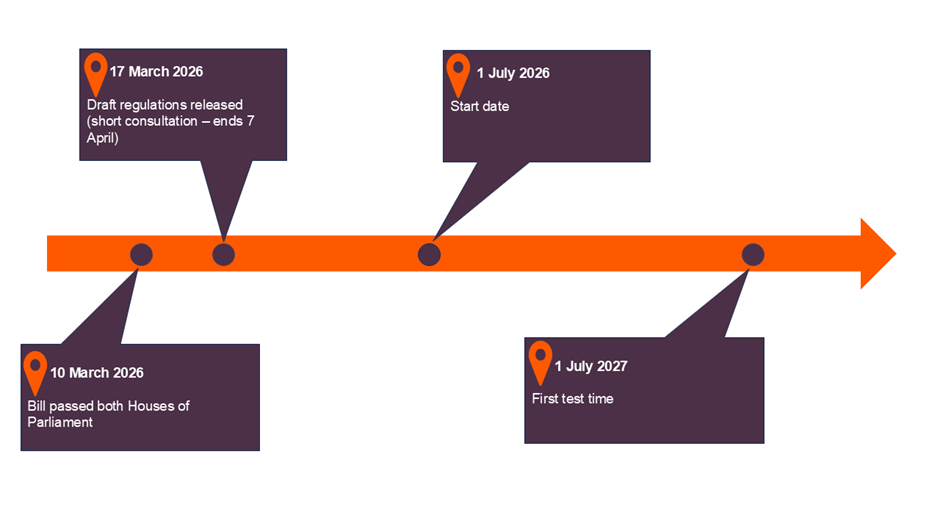
Since our earlier update outlining the proposed Division 296 measures (Read: Proposed Division 296 Changes: What You Need to Know – Harris Black), the Federal Government passed the legislation on 17th March 2026. The Treasury Laws Amendment (Building a Stronger and Fairer Super System) Bill 2026 has cleared both houses of Parliament and received Royal Assent, locking in a new tax regime for individuals with large superannuation balances.

The finalised Division 296 framework confirms a two‑tiered additional tax on realised superannuation earnings, replacing earlier proposals that included unrealised gains.

Division 296 tax will be calculated per member as follows:

  • 15% x proportion of superannuation balance over $3 million (“large super balance threshold”) x relevant superannuation earnings; plus
  • 10% x proportion of superannuation balance over $10 million (“very large super balance threshold”) x relevant superannuation earnings.

When Will It Apply?

The new rules will commence 1 July 2026, with the first assessments expected on lodgement of the 2026–27 financial year annual return.

Contact your Harris Black team member for more details these changes to Division 296.

Payday Super: Are You Ready?

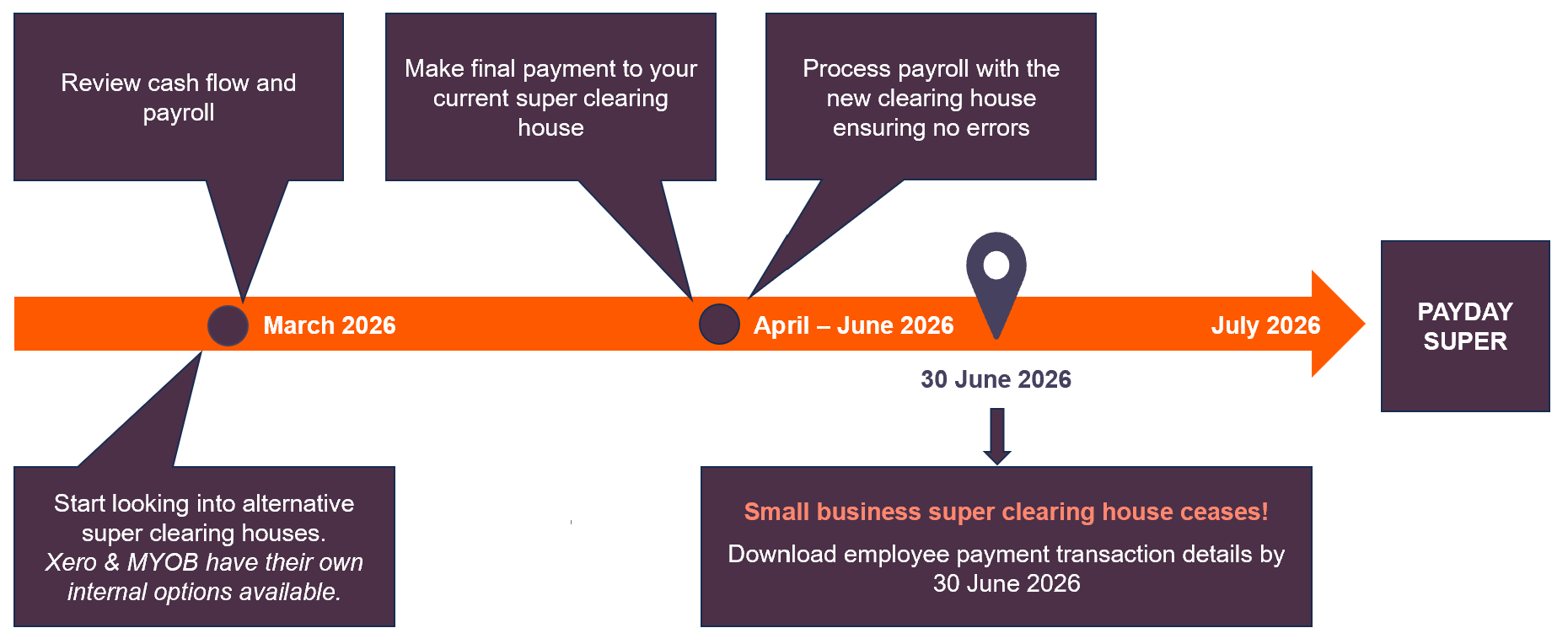
From 1 July 2026, employee super guarantee contributions must be paid within 7 business days from the payday!

Practical Insights

Start now: Easing into the changes now makes payroll and cash flow adjustments smoother.

Avoid the July cashflow crunch: Paying the June quarter super before 30 June will prevent both the June quarter and the July super from being due in July.

Get your tax deduction early: Super is deductible when paid, so paying the June quarter super in June will bring forward that tax deduction!

Avoid excess contributions: Paying the June quarter super in July may push you or your employees over the FY 2027 concessional cap, especially high-income earners under the new cap rules. 

For further information or to keep up to date with updates see: About Payday Super – Superannuation Changes | Australian Taxation Office

If you have any questions or are unsure how the above changes apply to you, please feel free to contact your Harris Black Team member. 

Meet The Staff: Feroni Tanogara

We’re pleased to introduce Feroni, who brings a thoughtful and easy-going presence to the team. A self-confessed foodie, Feroni could happily live off pho and enjoys trying a wide variety of cuisines, as well as cooking favourites like homemade deep-fried spring rolls.

Outside of work, Feroni enjoys solving jigsaw puzzles, spending time with friends, and exploring different foods. Born in Sukabumi — a small Indonesian city whose name translates to “like Earth” — Feroni also speaks Bahasa Indonesia and values time with family, reflected in a dream dinner guest list of close relatives and friends.

Feroni also has an interesting story to share, having moved away from home at just 15 — something that has helped shape her independence and perspective. When it comes to unwinding, the most relaxing place is simply her bed with the air conditioning on and wrapped in a blanket. Feroni is very excited for her upcoming travel to Malaysia and Singapore to visit family.

We’re delighted to have Feroni on board and look forward to the positive energy she brings to the team.

How can we help you?

Today’s financial environment demands a regular review of strategy and a focus on execution.