
MENU

Proposed Changes To Allowable Deductions For ATO Interest Charges From 1 July 2025

As part of our commitment to keeping you informed about important tax developments, we want to highlight a significant proposed change to the deductibility of interest charges applied by the Australian Taxation Office (ATO) on tax liabilities.

What’s Changing?

It is proposed that starting from 1 July 2025, taxpayers will no longer be able to claim tax deductions for General Interest Charges (GIC) and Shortfall Interest Charges (SIC) imposed by the ATO. These charges would be applied to late payments and underpaid tax liabilities. Historically, these interest charges have been tax-deductible, providing some relief to taxpayers when managing their tax debts.

Why the Change?

This proposed legislative amendment, introduced as part of the Treasury Laws Amendment (Tax Incentives and Integrity) Bill 2024 aims to enhance tax compliance by increasing the cost of not paying tax liabilities by the due date.

What Should You Do?

In preparation for the potential implementation of these changes, we recommend considering the following actions:

  • Settling Outstanding Tax Debts Before 1 July 2025.
  • Reviewing Payment Plans extending past 1 July 2025 and recalculating the expected cost of this debt without the associated interest deduction.
  • Forecast future expected tax liabilities to ensure cash flow is available to pay these liabilities as and when they fall due.

If you have any questions or would like to discuss how these proposed changes may impact you if passed, please don’t hesitate to reach out to your Harris Black team member.

Fringe Benefits Tax 2025

The end of the 2025 Fringe Benefits Tax (FBT) year is just around the corner (1 April 2024 to 31 March 2025).

If you are getting assistance from a tax agent with your 2025 FBT return, the due date for lodgement and payment is 25 June 2025.

What is FBT?

FBT is a tax on non-cash benefits provided to employees or their associates. This also includes non-salary directors/trustees. The tax is paid by the employer and is separate from income tax. Below are some common examples of non-cash benefits provided to employees where FBT may apply:

  • Allowing a vehicle owned by the employer to be used by an employee for private purposes.
  • Payment of expenses on behalf of an employee.
  • Providing entertainment to employees such as Christmas parties, meals, drinks, or recreational activities.
  • Providing loans to employees or forgiving debts owed by the employee to the employer.
  • Payments to an employee to compensate for living expenses incurred due to having to live away from their normal place of residence for work purposes.

What to do next

In preparation for the 2025 FBT year ended 31 March 2025, please be sure to:

  • Consider if you have provided non-cash benefits to employees that may be relevant for FBT.
  • Consider keeping a logbook for a period of 12 weeks detailing the business/private use of any vehicles used by employees. This allows for calculation of the FBT using the operating cost method which can often yield a more favourable result.
  • Make note of the closing odometer reading at 31 March 2025 for any vehicles used by employees.
  • Provide explanations for transactions in your online accounting software for any transactions coded to ‘Entertainment expenses’ or ‘Staff amenities’ to allow your Harris Black team member to differentiate between FBT-applicable and FBT-exempt transactions.

For Harris Black clients, if FBT is something that may need your consideration, you will receive a FBT checklist from us to assist with identifying any benefits you provide that may be subject to FBT.

If you do not receive a checklist but believe you may have provided applicable non-cash benefits, please let your Harris Black team member know.

If you have any questions, or would like to discuss your specific situation, please do not hesitate to contact us.

Time & Priority Mastery Course: A Successful Course for Enhanced Productivity

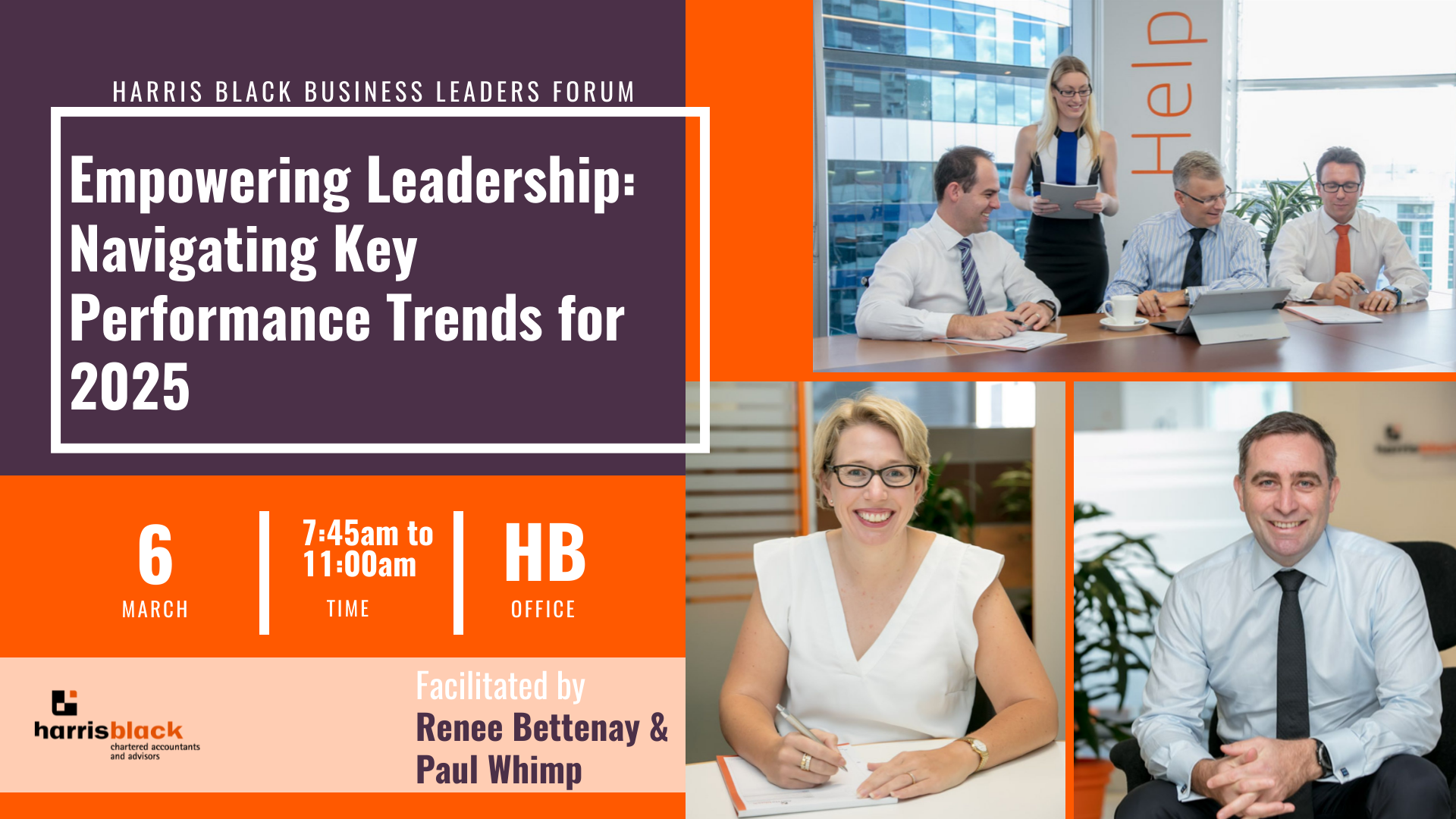
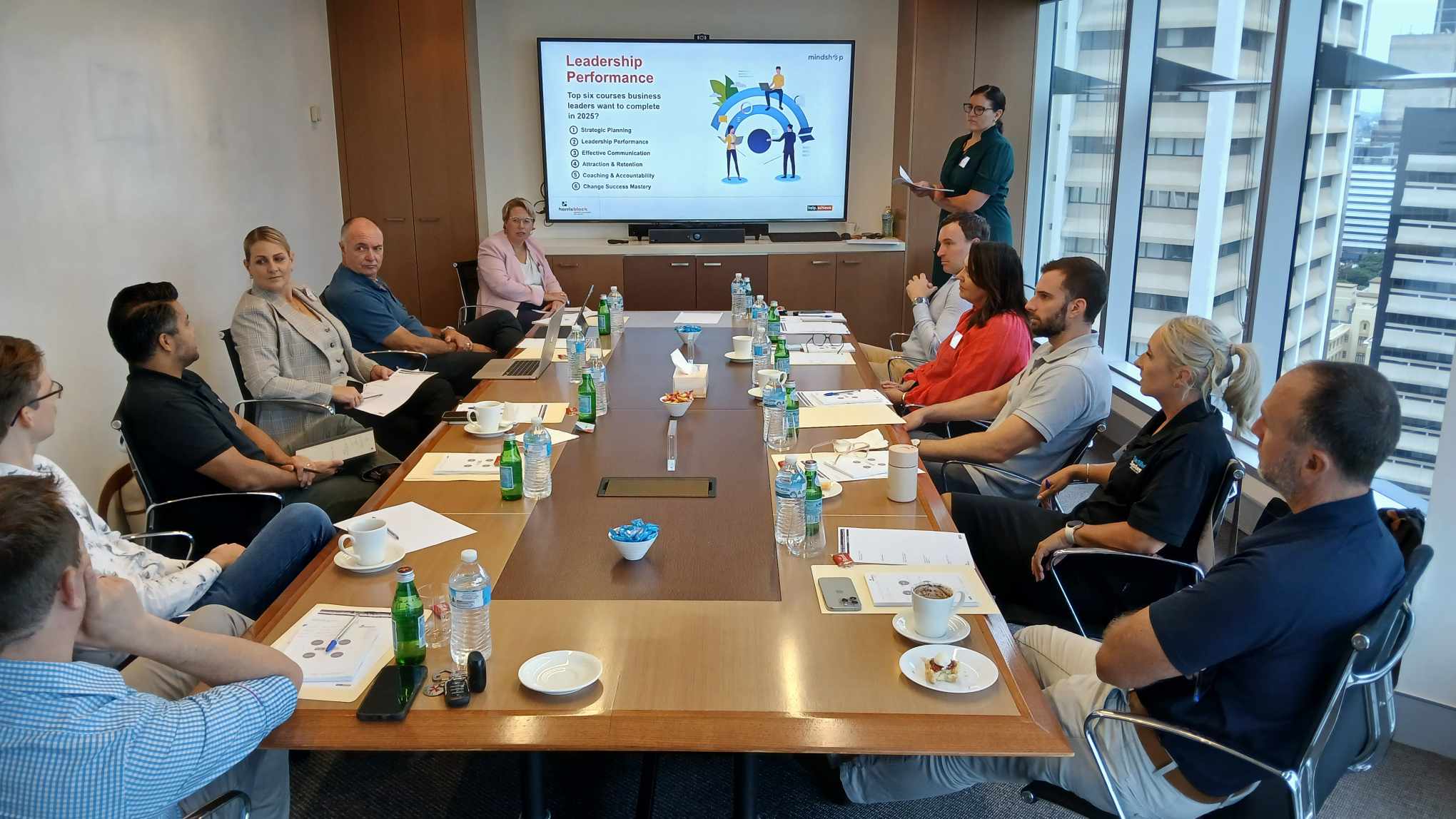
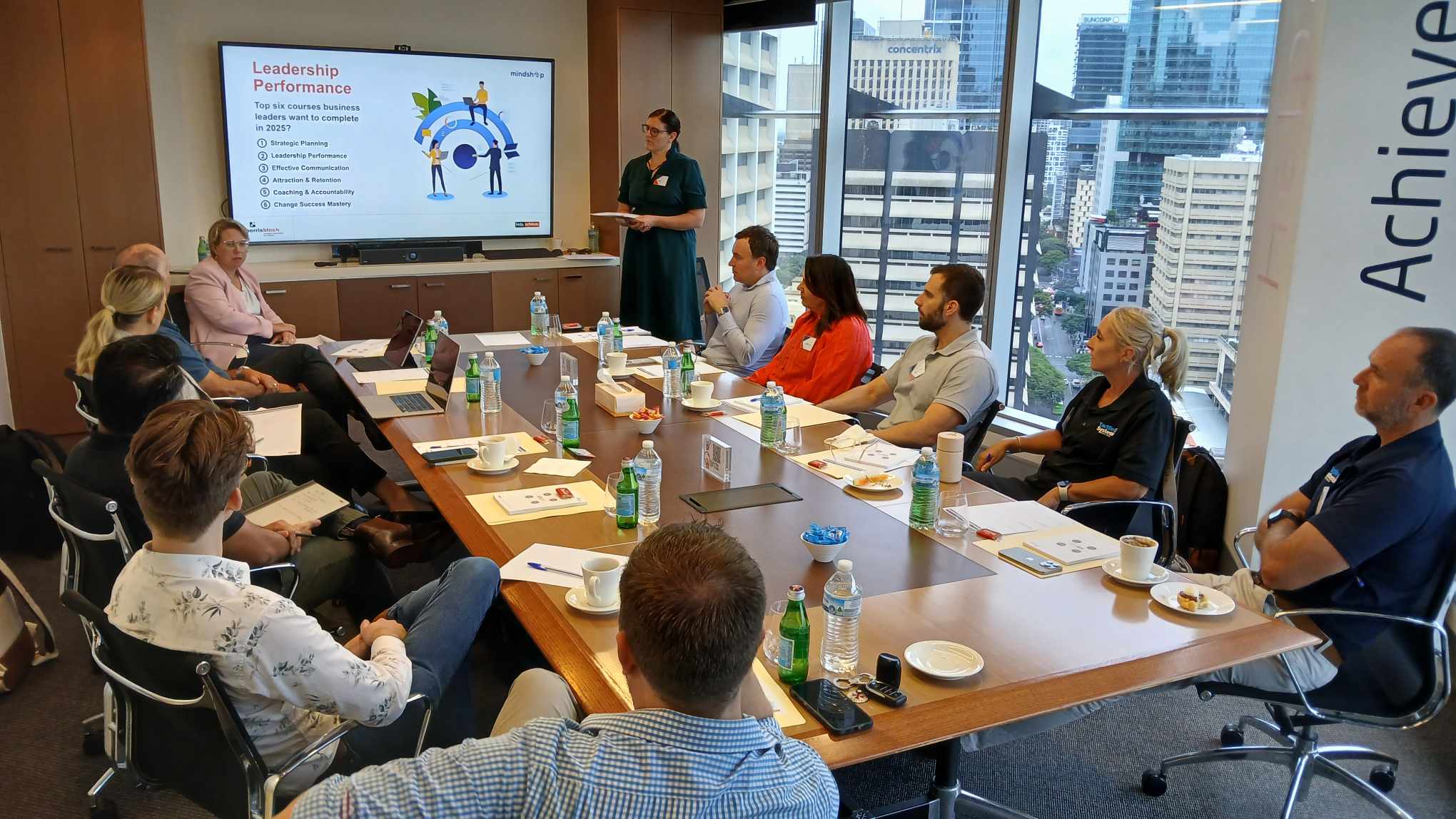
In today’s fast-paced world, managing time effectively is crucial for success. At Harris Black, we recognise the importance of time mastery, which is why we recently facilitated a highly impactful Time and Priority Mastery Course. This initiative aimed to equip our team and our clients with essential skills to optimise productivity, enhance efficiency, and maintain a healthy work-life balance.

Held over 8 weeks, with 3 1-hour sessions to discuss the content, the course was led by Renee Bettenay, a seasoned expert in time management strategies and Keziah Sedgwick, a seasoned expert in procrastination. The course covered fundamental techniques such as prioritisation frameworks, goal-setting, effective delegation, and how to leverage technology to streamline workflows. Through interactive exercises, honest discussions of challenges and wins, and practical tools, attendees gained valuable insights into making the most of their time.

Participants walked away with actionable strategies, new skills and great habits, including:

  • Time Boxing and Blocking – Organising tasks to maximise focus and minimise context-switching.
  • Strategies to run effective meetings – including agenda setting and driving to actions in the allocated time
  • The Eisenhower Matrix – Learning how to distinguish between urgent and important tasks. 

The feedback from attendees was overwhelmingly positive. Many expressed appreciation for the practical techniques and engaging discussions that made the session both insightful and applicable. One participant shared, “This course has transformed the way I approach my daily tasks. I feel more in control of my workload and less overwhelmed.”

At Harris Black, we are committed to fostering professional growth and continuous learning. Given the success of this session, we plan to organise similar workshops in the future to further empower our team.

If you’re interested in learning more about this course or implementing these strategies in your workflow, feel free to reach out to Renee Bettenay and/or Keziah Sedgwick on 07 3032 0200.

Let’s continue mastering our time and priorities for greater success!

Brentnalls Conference – March 2025

In March, the Directors and Managers attended the 56th Brentnalls Affiliation bi-annual conference, held in the historic city of Hobart.

The conference commenced with a Women in Brentnalls high tea, during which they announced their charity partner, Dress for Success. This organization provides unemployed and underemployed women with opportunities to achieve economic independence through no-fee programs, professional development tools, and professional attire to help them thrive in their work and personal lives.

The next two days featured a jam-packed lineup of speakers covering a range of topics:

  • The Hardiness Advantage Workshop with Paul Taylor: An exploration of how hardiness cultivates sustained leadership by enhancing adaptability, commitment, and control for long-term success.
  • Port Arthur Historic Site Management Authority CEO Will Flamsteed: A presentation showcasing the challenges and successes of leading an organisation that manages three world heritage-listed sites into the future.
  • Harnessing Artificial Intelligence with Leon Furze: A cutting-edge presentation on the inner workings, offerings and threats of AI technology.

The firms presented updates from the previous six months, covering operational areas including estate planning, systems and processes, and human resources. These sessions provided great discussions and an invaluable learning experience for all attendees.

The conference concluded with an unforgettable 80’s-themed cruise along the Derwent River, transforming the final evening into a vibrant celebration of team spirit and nostalgia.

The Brentnalls Affiliation continues to exemplify the power of unity and collaboration, empowering its members to strive for collective greatness while supporting individual journeys to excellence.

Important Tax Dates

31 March 2025

  • Lodge tax return for companies and super funds with total income of more than $2 million in the latest year lodged (excluding large and medium taxpayers), unless the return was due earlier.
  • Lodge tax return for the head company of a consolidated group (excluding large and medium), with a member who had a total income in excess of $2 million in their latest year lodged, unless the return was due earlier.
  • Lodge tax return for individuals and trusts whose latest return resulted in a tax liability of $20,000 or more, excluding large and medium trusts.

21 April 2025

  • Lodge and pay quarter 3, 2024–25 PAYG instalment activity statement for head companies of consolidated groups.
  • Lodge and pay March 2024 monthly business activity statement.

28 April 2025

  • Lodge and pay quarter 3, 2024–25 activity statement if electing to receive and lodge by paper and not an active STP reporter.

How can we help you?

Today’s financial environment demands a regular review of strategy and a focus on execution.