
MENU

Casual Employment In Australia: Key Requirements

Focus HR recently hosted a webinar for clients of Harris Black, Advanced Financial Services, and Power Tynan, where the latest changes to industrial relations and minimum wage requirements were discussed.

Among the many important topics covered, Harris Black wanted to remind you of the updates affecting casual employment arrangements.

Casual employment offers flexibility for both employers and workers, but it’s important to understand the legal requirements and protections that apply. The Fair Work Ombudsman’s latest guidance sets out what both parties need to know

1. Who Qualifies as a Casual Employee?

A worker is considered casual if, when they start their job:

  • There’s no firm advance commitment to ongoing work. This is assessed by looking at the actual working relationship, not just what’s written in the contract.
  • The worker receives a casual loading or a specific casual pay rate, as set out in an award, registered agreement, or employment contract.

When determining casual status, consider:

  • Whether the employer can choose to offer work (or not), and whether the employee can accept or decline shifts.
  • The likelihood of future work being available.
  • Whether the employee works a regular pattern of hours.
  • If there are permanent staff doing the same kind of work.

Example: Someone hired for a busy season, offered shifts that change week to week, and paid a casual loading, would be considered a casual employee 

2. When Should the Casual Employment Information Statement (CEIS) Be Provided?

Employers are required to give the CEIS to (you can access this here):

  • New casual employees before they start, or as soon as possible after they begin work.
  • All casual employees again after:
    • 12 months of employment (for small businesses).
    • 6 months, 12 months, and then every 12 months after that (for non-small businesses).

3. Moving from Casual to Permanent Employment

From 26 August 2024, eligible casuals can ask to become permanent (full-time or part-time). To be eligible, an employee must:

  • Have worked for at least 6 months (or 12 months in a small business).
  • Believe they no longer meet the definition of a casual.
  • Not be in the middle of a dispute about becoming permanent.
  • Not have had a similar request refused in the past 6 months.

How to Apply: The request must be made in writing. Employers must reply in writing within 21 days, outlining the new status, hours, and start date if the request is accepted. If the request is refused, the employer must provide written reasons and consult with the employee. Refusals are only allowed for specific reasons, such as the employee still meeting the casual definition or for operational reasons 

4. Resolving Disputes

If there’s a disagreement about changing to permanent employment:

  • Try to resolve the issue at the workplace first.
  • If that doesn’t work, either party can take the matter to the Fair Work Commission for mediation, conciliation, or arbitration.
  • The Commission can make binding decisions, including orders about employment status.

5. Protections Against Avoidance

Employers can’t sidestep their obligations or an employee’s right to convert to permanent by:

  • Cutting or changing hours.
  • Altering work patterns.
  • Ending employment.

Such actions may be considered adverse action, which is unlawful and can result in penalties.

6. Other Entitlements for Casuals

Casual employees are entitled to:

  • 10 days of paid family and domestic violence leave each year.
  • Any other entitlements set out in relevant awards or agreements.

7. Where to Get Support

  • Fair Work Ombudsman: For information, advice, calculators, templates, and help with workplace issues. Visit https://www.fairwork.gov.au/ or call 13 13 94.
  • Fair Work Commission: For dispute resolution, mediation, and arbitration. Visit https://www.fwc.gov.au/ or call 1300 799 675
  • Focus HR: For support,  visit www.focushr.com.au or call 07 4765 3456

FBT Pitfalls for “Dual Capacity” Employees – What Employers Need to Know

When it comes to Fringe Benefits Tax (FBT), most employers are confident about the basics. Provide a car? There’s a car fringe benefit. Pay for private health insurance? That’s a fringe benefit too.

But the rules get a little trickier when you’re dealing with dual capacity individuals – people who work for you and have another relationship with your business, such as being a shareholder, director, or partner.

In these cases, the ATO may look much more closely at the capacity in which a benefit is provided – and it can have real tax consequences.

What is a “dual capacity” individual?

A dual capacity individual is someone who wears more than one hat in relation to your organisation.

Common examples include:

  • An employee who is also a director of the company.
  • A shareholder who is also employed in an operational role.
  • A partner in a partnership who is also a salaried worker within that partnership’s business.

In these scenarios, a single person can act in two capacities – as an employee and as an owner/officeholder.

Why does it matter for FBT?

FBT only applies to benefits provided in respect of employment.

So, if a benefit is provided purely because the person is a shareholder (or in another non-employee capacity), it’s not subject to FBT. However:

  • If the benefit is provided because they are an employee, it falls squarely within FBT rules.
  • If it’s provided partly for their role as an employee and partly for their role as a shareholder or director, things get murky – and the ATO will expect an apportionment.

The Risk?

  • Overpaying FBT if you treat everything as employment-related.
  • Underpaying FBT (and inviting an audit) if you ignore the employment connection altogether.

Common Problem Areas

1. Company vehicles

  • If a director who also works as the business development manager has a company car, is it provided for their work duties or their position on the board? In most cases, the operational role drives the FBT treatment – but clear documentation helps.

2. Travel and accommodation

  • If the individual attends a conference relevant to their employee role, FBT may apply to any private component. But if the trip is solely for shareholder meetings, it may fall outside FBT (though income tax rules could still apply).

3. Loans and financial assistance

  • Loans to shareholder-employees may be treated as either FBT “loan benefits” or Division 7A deemed dividends, depending on which capacity they are acting in. The wrong classification can lead to unexpected tax bills.

Getting the apportionment right

The ATO expects a reasonable and well-supported method for splitting the benefit between the two capacities. That might involve:

  • Documenting the business reason for providing the benefit.
  • Using timesheets or role descriptions to demonstrate which capacity the benefit relates to.
  • Keeping board minutes or employment contracts up to date.

The key is to be able to show why the benefit was provided – not just that it was provided.

ATO scrutiny is increasing

In recent years, the ATO has flagged FBT on dual capacity individuals as a focus area, particularly for private groups. Benefits to shareholder-employees are a natural target, because the employment and ownership lines can easily blur.

The good news? With the right records and a careful approach, you can minimise the risk of an audit and avoid paying more tax than necessary.

Final takeaway: If you have individuals in your business who work in more than one capacity, it’s worth reviewing how benefits are classified. A little bit of documentation now can save a lot of tax headaches later.

If you’re unsure about the FBT treatment for dual capacity individuals, reach out to the Harris Black team – we’re here to help you get it right.

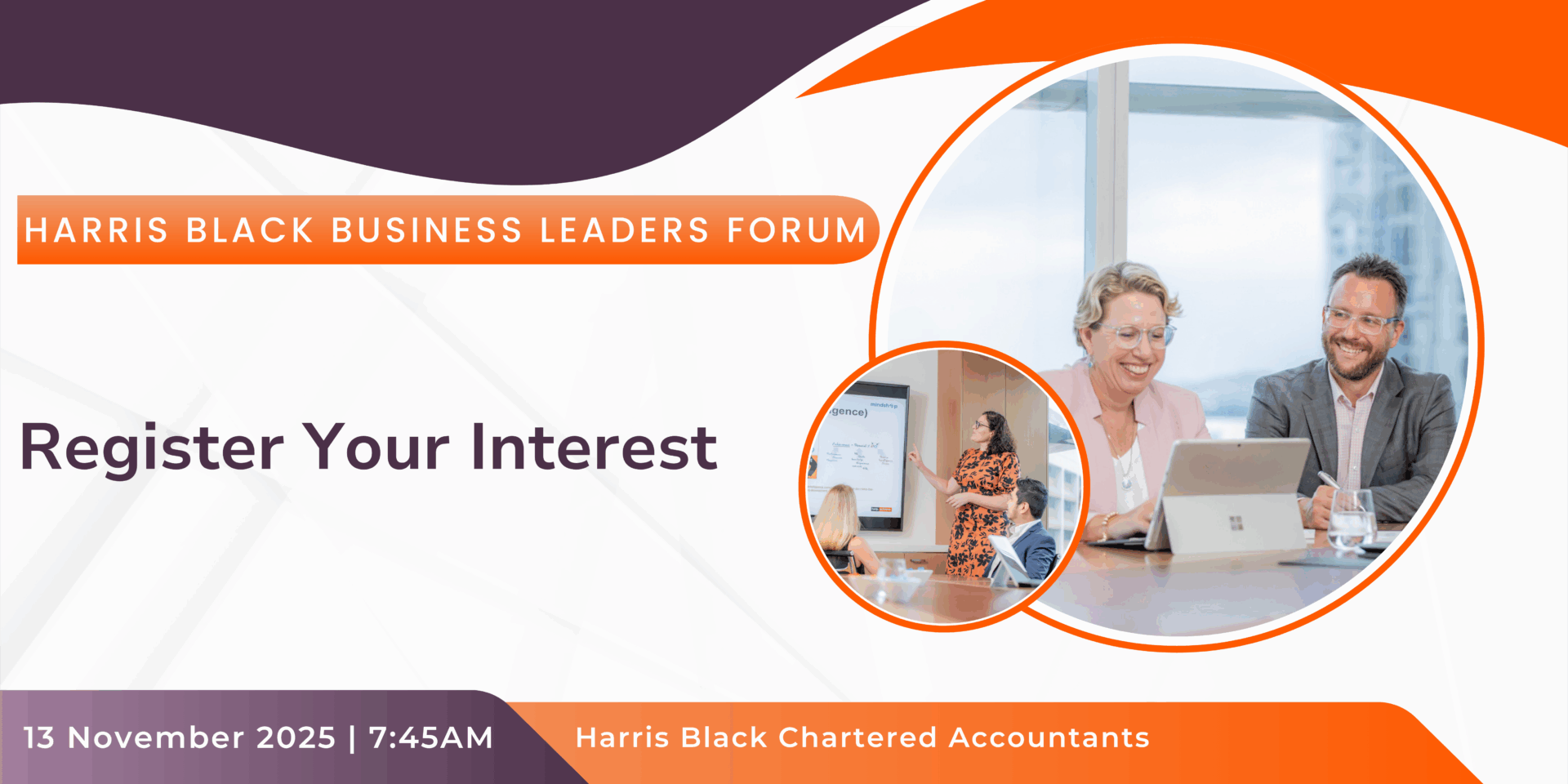
Register Your Interest – Harris Black Business Leaders Forum November 2025

Get ready for a high-impact workshop designed for leaders who are ready to drive growth and outpace the competition in 2025’s challenging market. Learn how to make tough strategic decisions, harness emerging marketing trends, and manage difficult team dynamics for optimal performance. ​​Armed with practical strategies, fresh insights, and dynamic peer-led discussions, you’ll walk away with a powerful 90-day action plan to ignite your success and drive results in the year ahead. ​​Don’t miss your chance to gain a competitive edge and accelerate your business performance in this final workshop for 2025! 

Workshop Details:
Date:
 13 November 2025
Time: 7:45 am

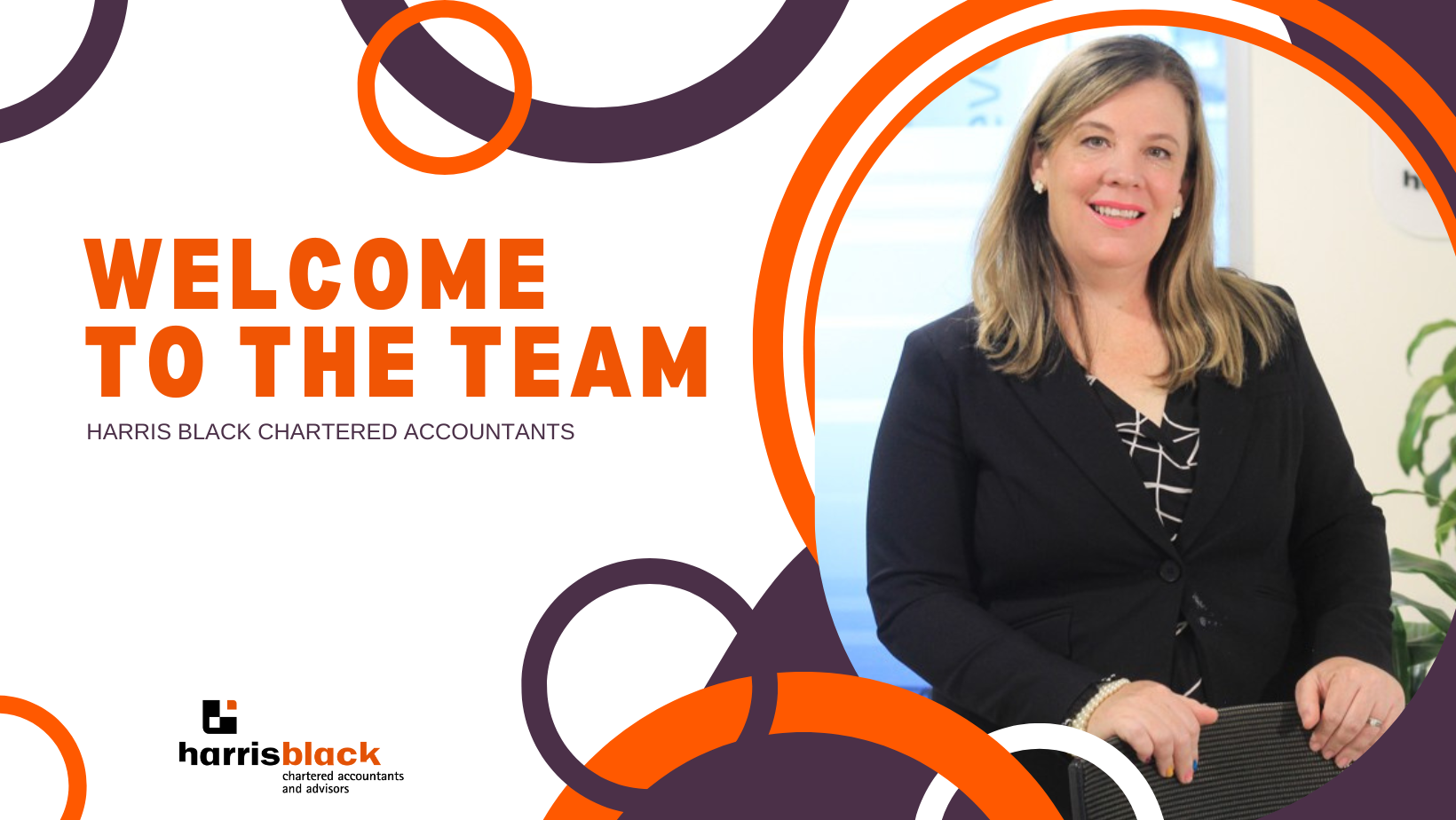
Meet The Staff – Kathryn Pestell

We’re pleased to introduce Kathryn, whose creativity, warmth, and energy make her a valued member of the Harris Black team.

A passionate baker and cook with an eye for interior design, she has a particular love for Mediterranean flavours – especially Greek cuisine – and is known for her decadent tiramisu and cheesecake. Still, if she could choose one meal for life, it would be something she didn’t cook herself… preferably a delicious Asian dish.

Her dream dinner party would bring together her mother-in-law, Donald Trump, Anna Wintour, and Audrey Hepburn – an eclectic mix sure to spark conversation.

If she could live anywhere, it would be either Melbourne or the charming countryside of rural Italy. If marooned on a deserted island, she’d want her husband, a good book, and prosecco by her side.

Kathryn dreams of owning a Porsche Cayenne one day and wishes the art of genuine, face-to-face conversation would return to fashion. If she could choose a superpower, she’d simply click her fingers to find her home perfectly clean – a practical magic we can all relate to.

With her mix of humour, style, and warmth, Kathryn brings a vibrant and thoughtful presence to the Harris Black team.

Important Tax Dates

30 September 2025

  • Lodge PAYG withholding payment summary annual report if prepared by a BAS agent or tax agent excluding large withholders whose annual withholding is greater than $1 million.
  • Lodge Annual TFN withholding report 2025 if a trustee of a closely held trust has been required to withhold amounts from payments to beneficiaries.

21 October 2025

  • Pay annual PAYG instalment notice (Form N). Lodge only if you vary the instalment amount or use the rate method to calculate the instalment.
  • Lodge and pay quarter 1, 2025–26 PAYG instalment activity statement for head companies of consolidated groups.
  • Lodge and pay September 2025 monthly business activity statement.

28 October 2025

  • Lodge and pay quarter 1, 2025–26 activity statement if lodging by paper.
  • Make super guarantee contributions for quarter 1, 2025–26 to funds by this date.

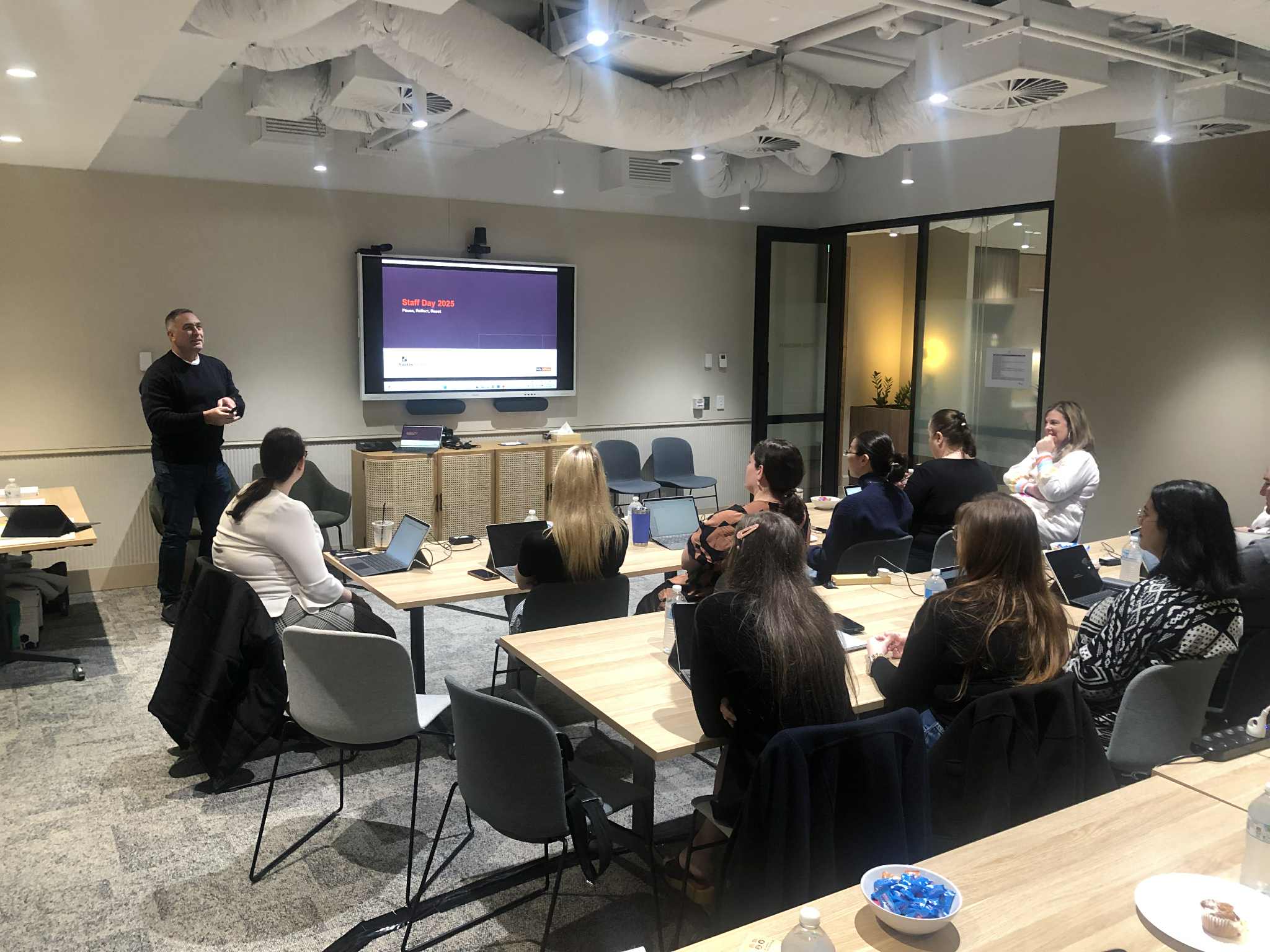
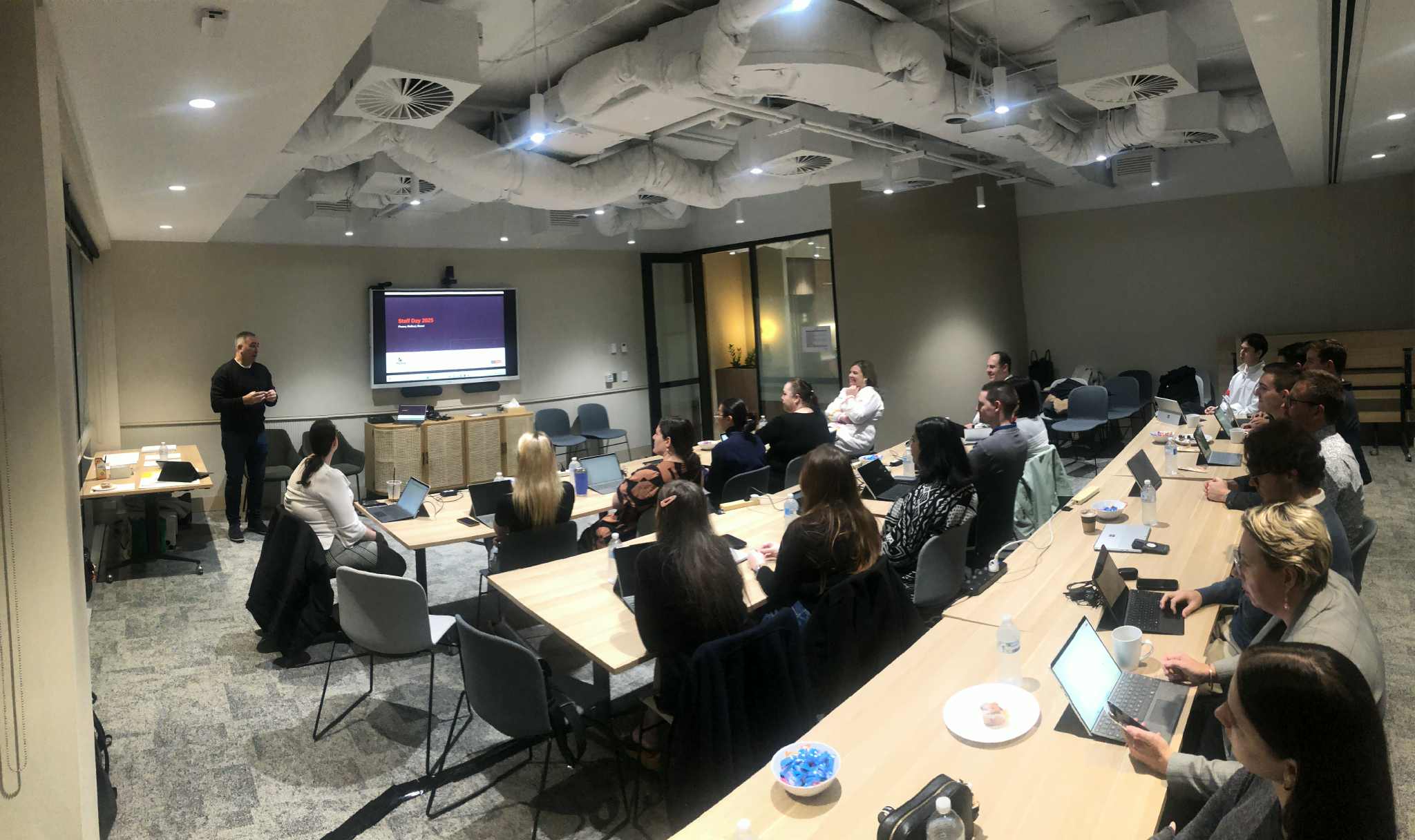
Harris Black Staff Day 2025

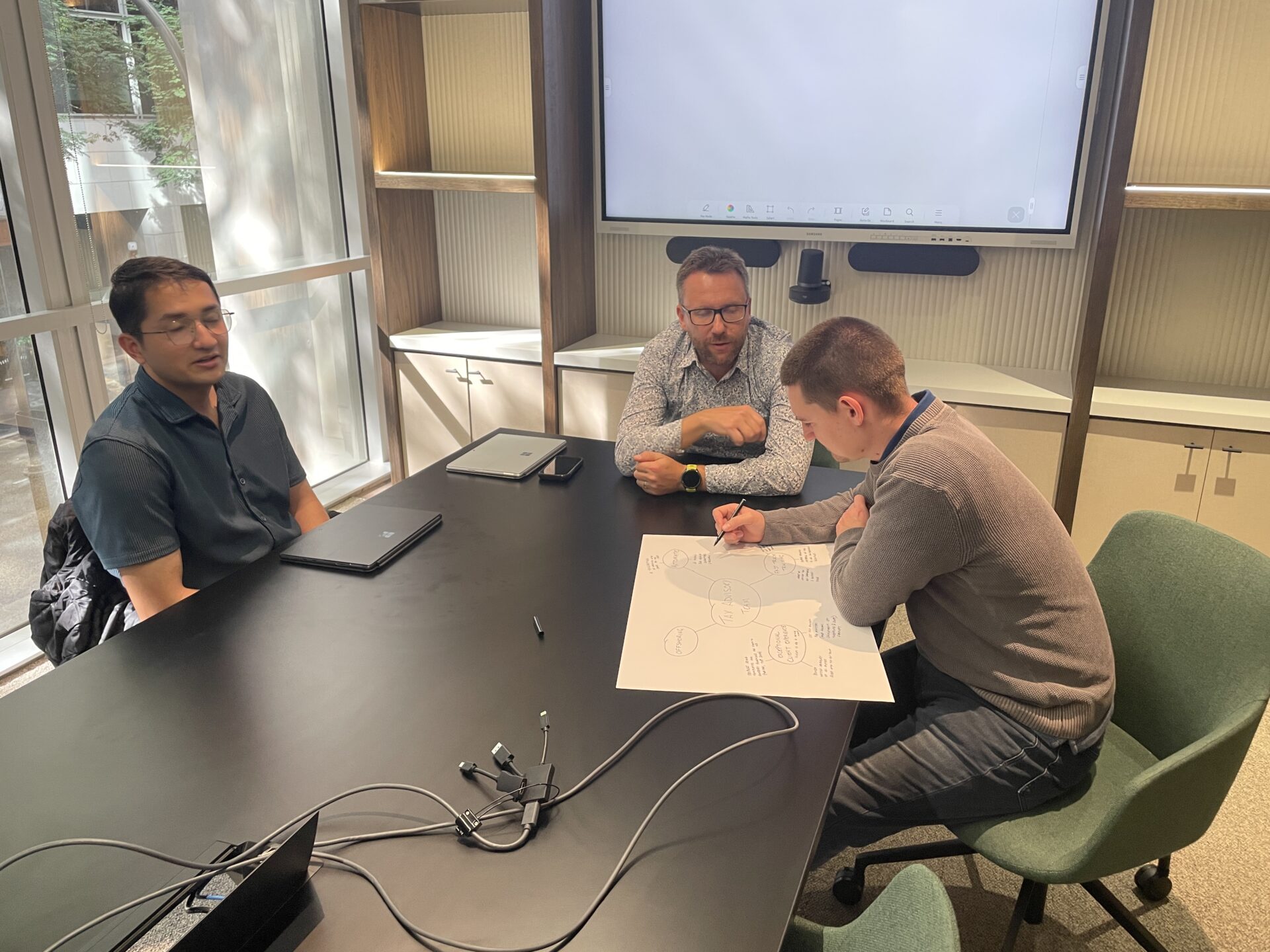
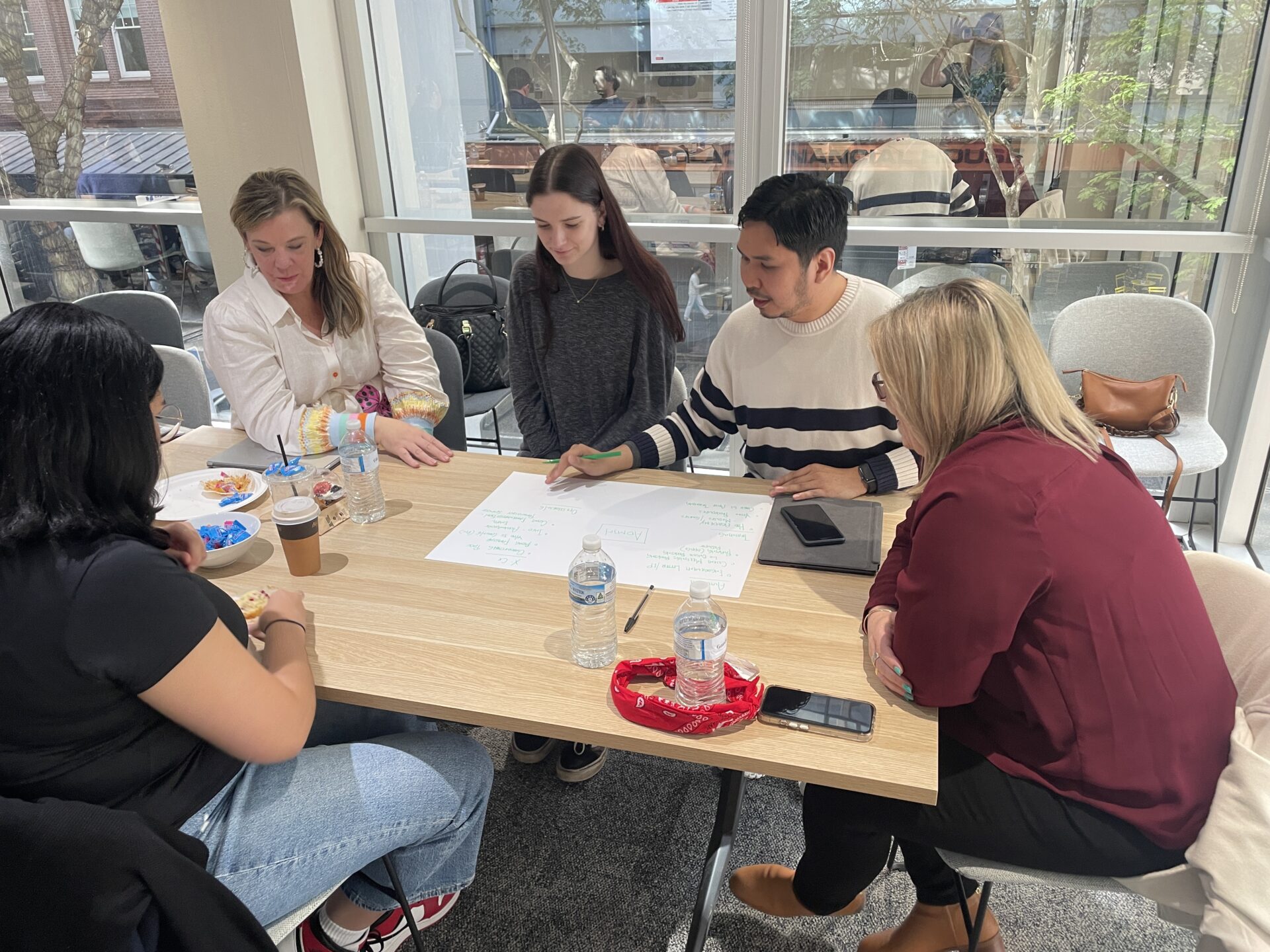
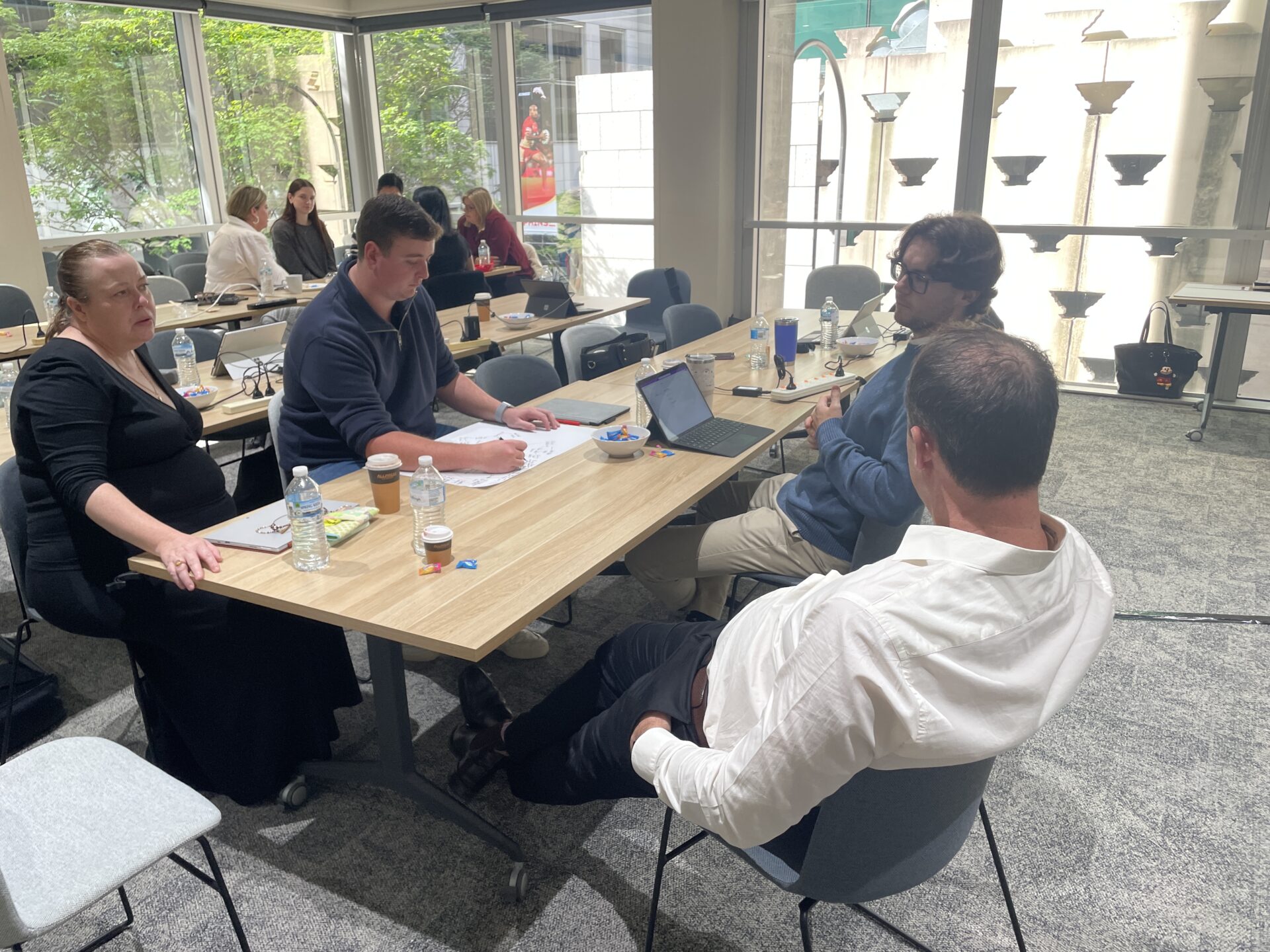
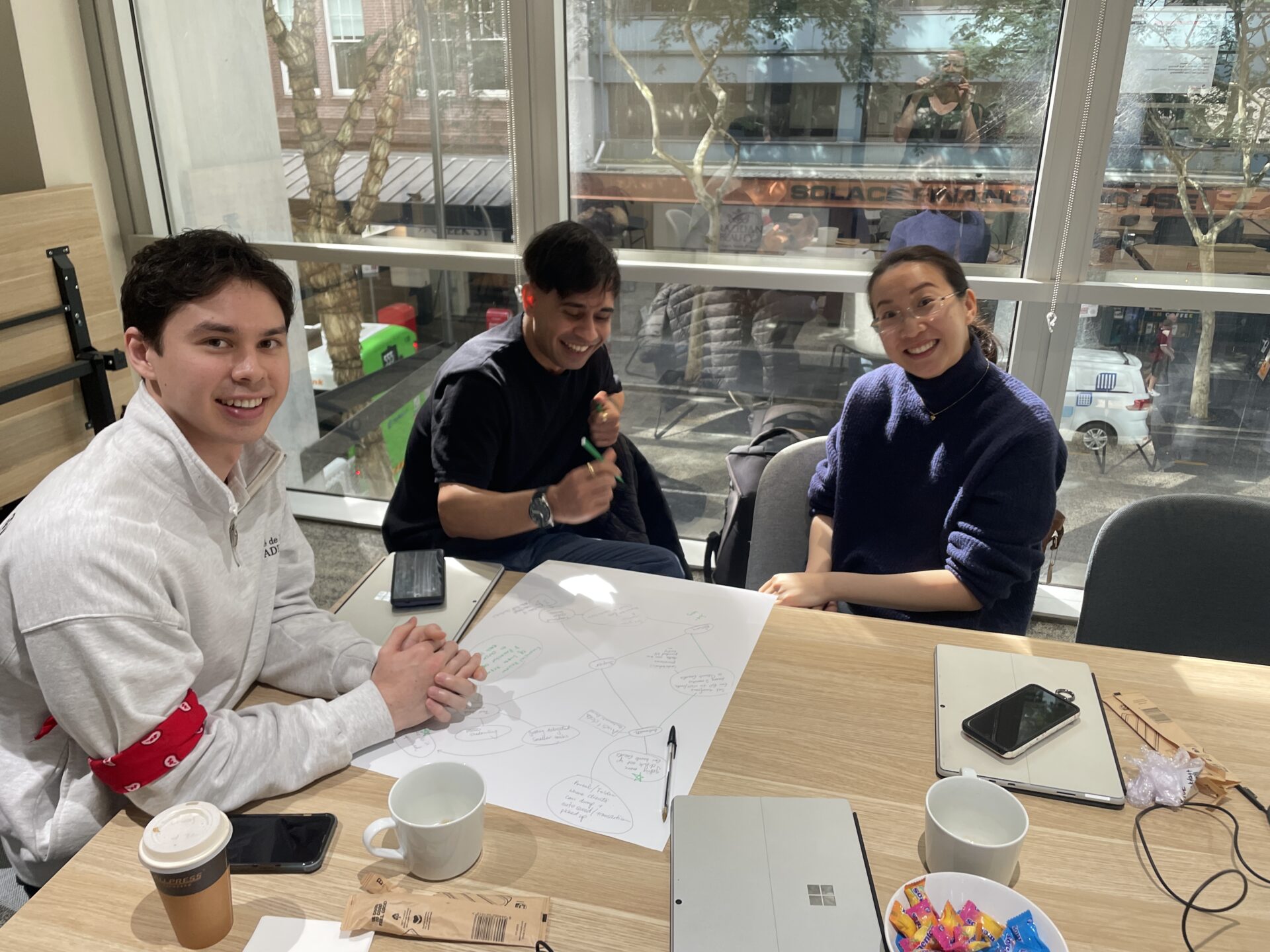
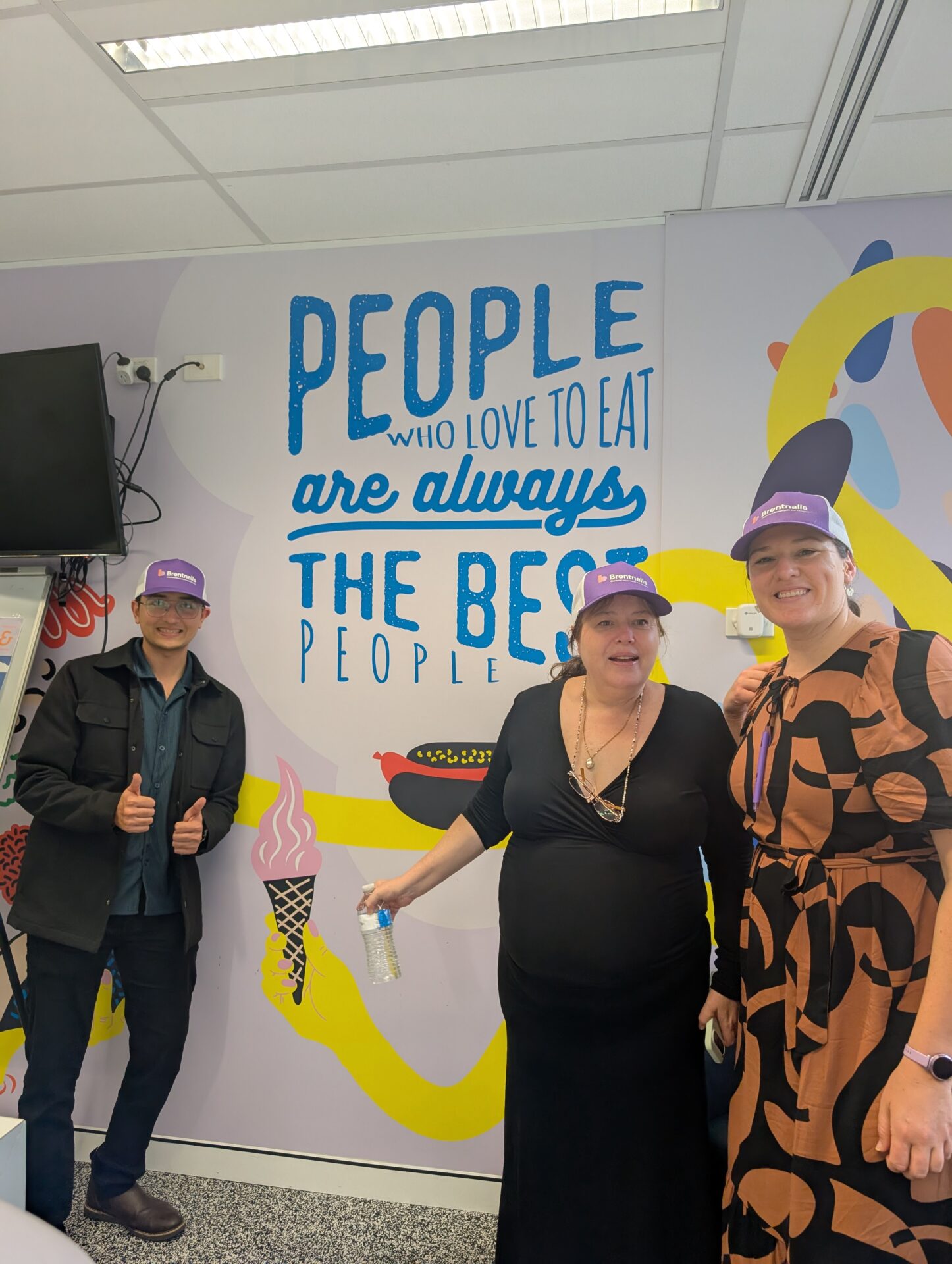
It’s that time of the year again—our much-anticipated Harris Black Staff Day! This annual event is always a standout, and this year was no exception.

We kicked off the morning with an inspiring session led by our Director, Paul Whimp, who reflected on the past year and shared insights into our strategic direction. His presentation set the tone for a day full of collaboration and forward-thinking.

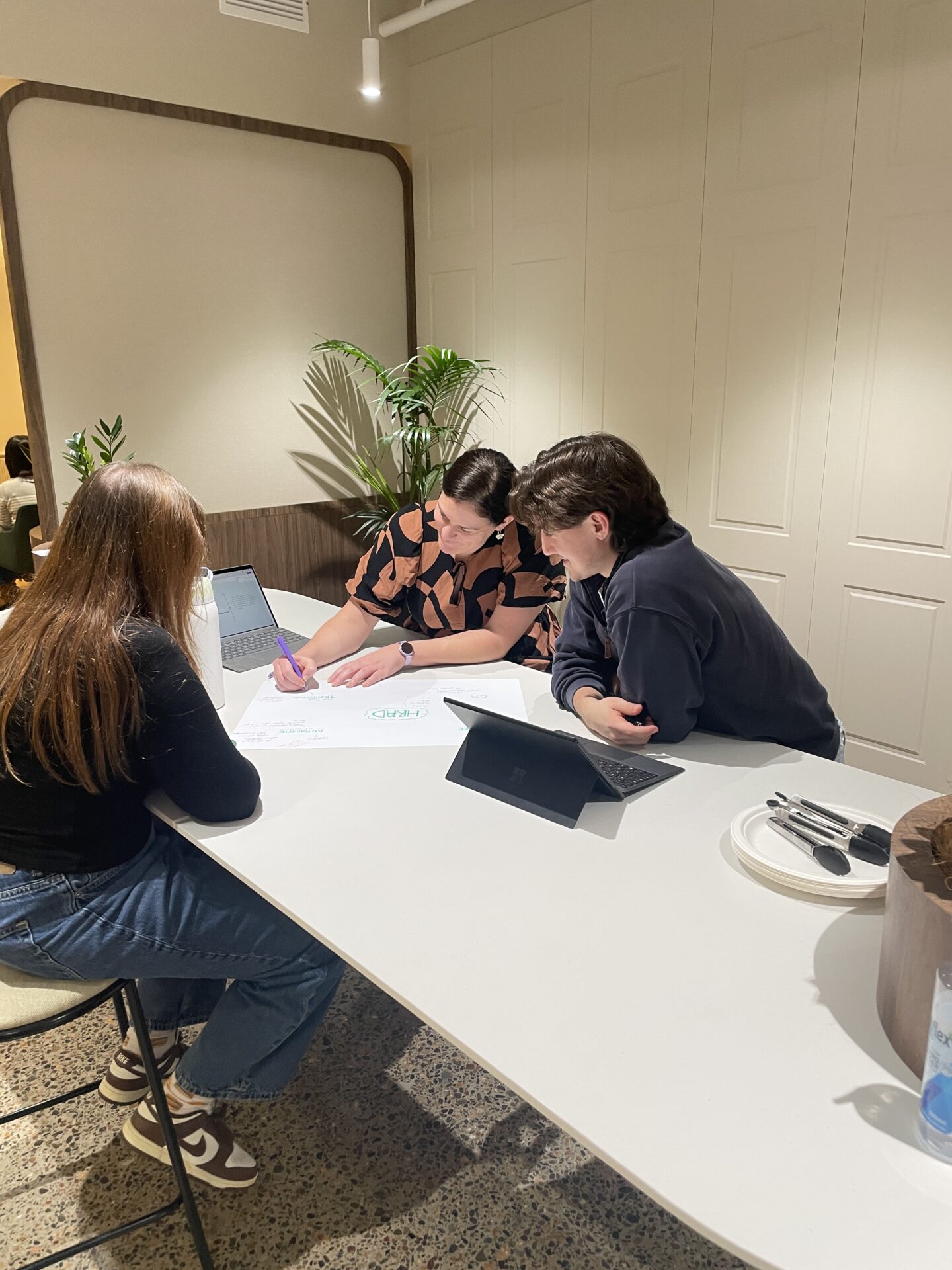
The morning continued with dynamic team activities and presentations. Staff were grouped into smaller teams to brainstorm and explore key areas for innovation and improvement at Harris Black, including:

  • Automation
  • Client Experience
  • Training

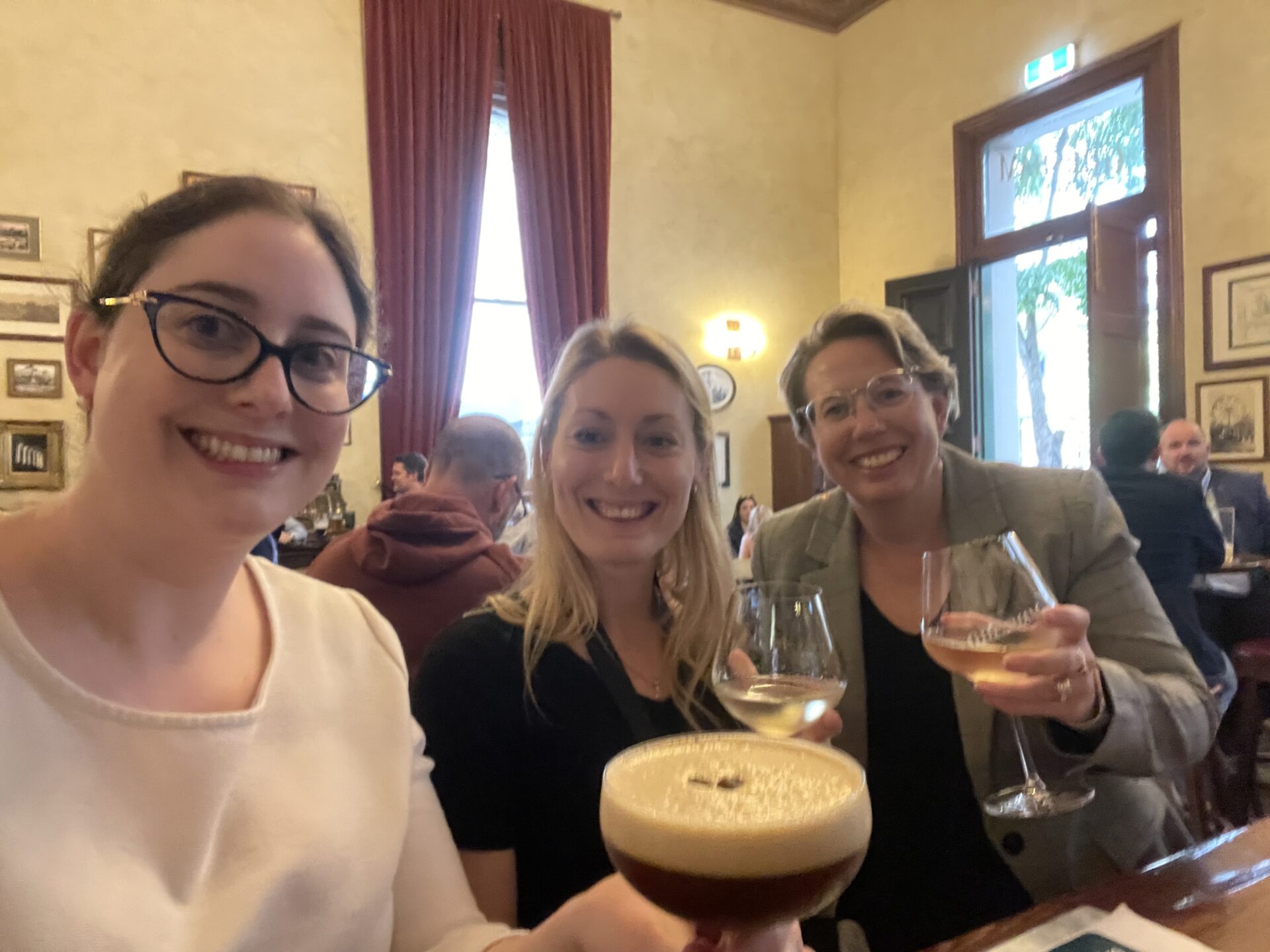
In the afternoon, Kim, Michelle, and Renee took the lead, guiding us to Creek Street for the exciting “Creek Street Quest”. Teams competed in a series of challenges across Creek and Adelaide Streets, earning points and having a blast along the way.

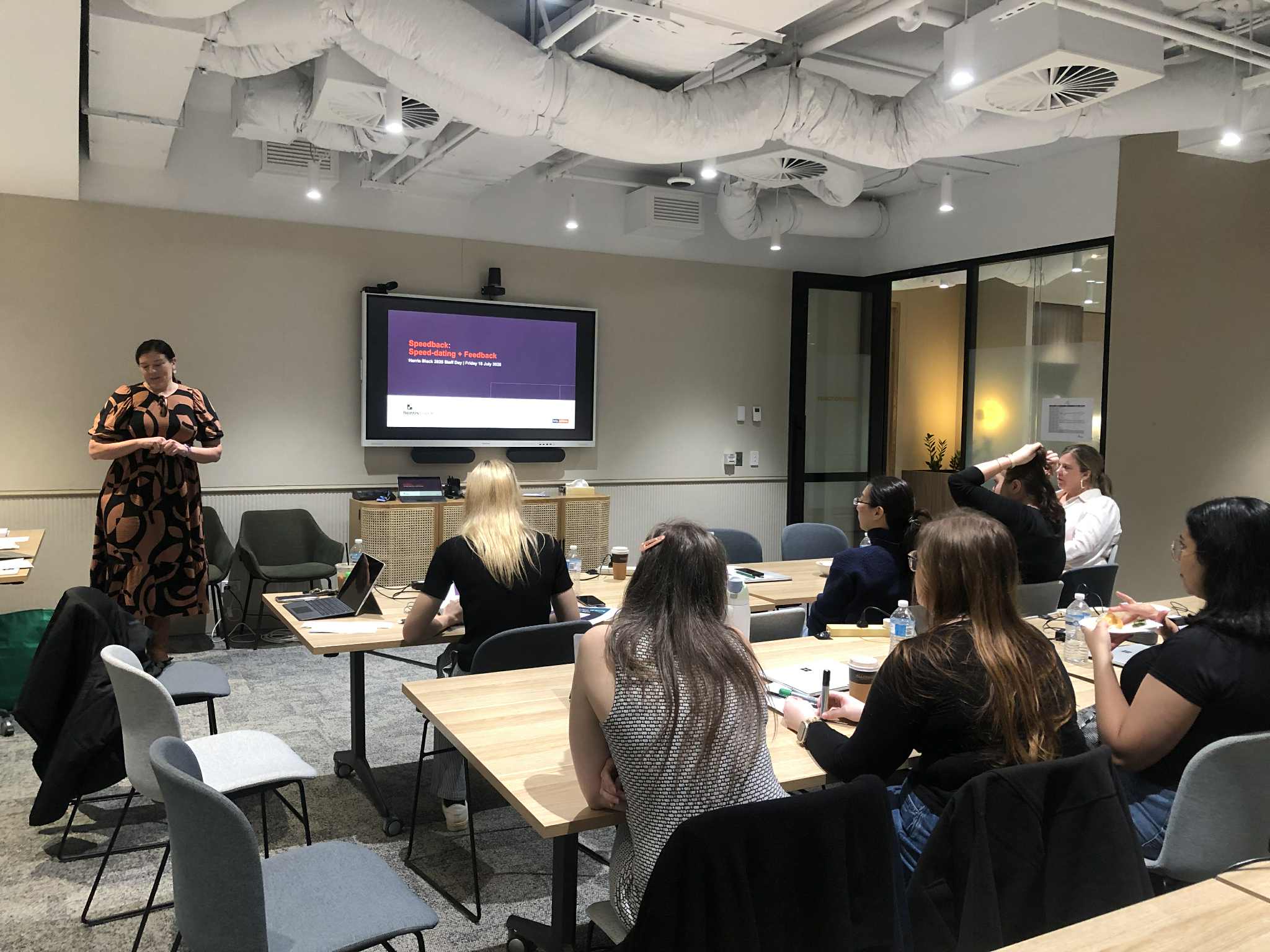
Later, Keziah Sedgwick hosted a session on “Speedback”—a creative blend of speed dating and feedback. This engaging workshop refreshed our feedback skills and reinforced the importance of open communication, especially during times of change.

We wrapped up the day with a delicious dinner at Longwang on Edward Street. Great food, good company, and a few celebratory drinks made for the perfect ending to a memorable Staff Day.

How can we help you?

Today’s financial environment demands a regular review of strategy and a focus on execution.